

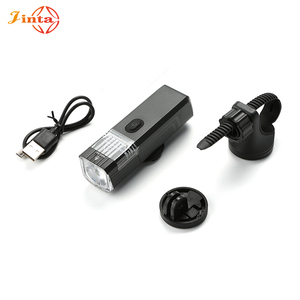
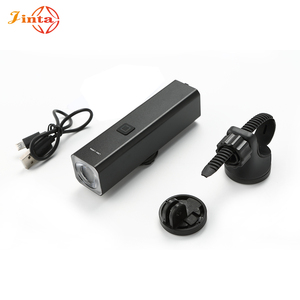
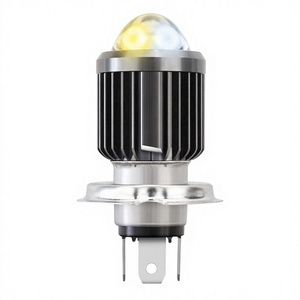
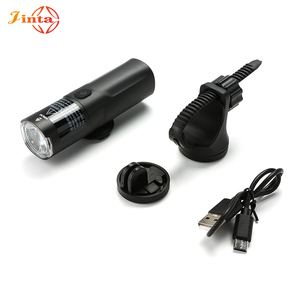
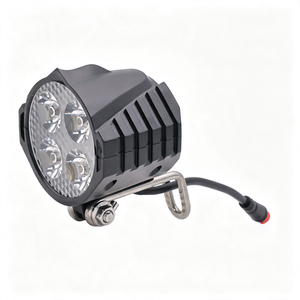
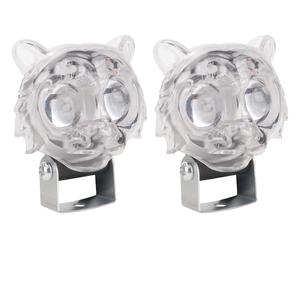
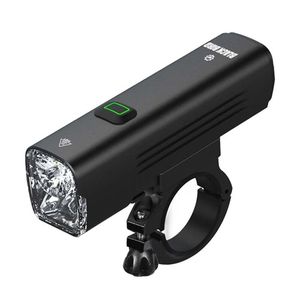
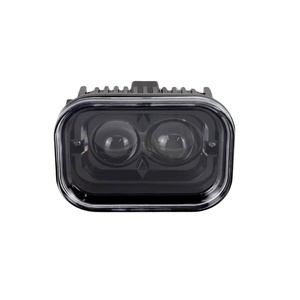
Executive Summary: The Evolving Handlebar Light Market in Russia
The Russian cycling and micro-mobility market has undergone a dramatic structural transformation. Beyond traditional seasonal recreational cycling in regional hubs such as Moscow, Saint Petersburg, Novosibirsk, and Yekaterinburg, the rapid expansion of last-mile delivery services—driven by major platforms such as Yandex.Eats, Samokat, and Kuper—has created an unprecedented demand for industrial-grade, continuous-duty bicycle and e-bike lighting systems.
For B2B buyers, brand owners, and wholesale importers operating within the Eurasian Economic Union (EAEU), sourcing handlebar lights from Chinese manufacturing hubs is no longer merely a cost-reduction strategy. It requires a sophisticated alignment of technical resilience, cold-weather battery engineering, strict optical beam shaping, and seamless cross-border financial and logistics workflows. This whitepaper details the engineering standards, market dynamics, and OEM supply-chain capabilities required to successfully dominate the Russian handlebar light market.
Russian Market Dynamics: Demand Drivers & Localized Application Scenarios
Understanding the micro-climate and operational environments across Russian geographical zones allows Chinese manufacturers to engineer targeted OEM solutions. Sourcing managers must evaluate four core deployment scenarios:
1. Heavy-Duty Commercial Delivery Fleets
Courier fleets operate 12 to 16 hours daily in slush, snow, and rain. Headlights require direct wide-voltage wiring (12V-48V DC) integrated into the e-bike battery, eliminating reliance on internal batteries that exhaust quickly in extreme cold.
2. Sub-Zero Winter Night Commuting
In cities where darkness persists for up to 18 hours during mid-winter, riders require high-capacity 21700 lithium-ion rechargeable lamps with gloved-hand friendly push buttons or twist dials, operating reliably down to -35°C.
3. Blizzard & Heavy Fog Optical Penetration
High-latitude snowstorms cause severe backscatter when using standard 6500K white LEDs. Dual-beam setups utilizing 3000K amber fog lights combined with 6000K cut-off beams cut through dense snowfall without blinding oncoming traffic.
Technical Engineering Standards: Solving Sub-Zero Degradation & Moisture Ingress
Chinese lighting factories serving the Russian market must address specific engineering hurdles that arise from harsh local operating conditions:
1. Battery Chemistry & Thermal Protection Circuits
Standard Cobalt-based lithium cells suffer rapid internal resistance spikes when internal temperatures fall below 0°C. Leading Chinese OEM factories incorporate low-temperature electrolyte additives and specialized cell separators that sustain high discharge efficiency at -30°C. Furthermore, advanced BMS (Battery Management Systems) prevent charging when the internal cell temperature is below freezing, protecting the anode from lithium plating—a major cause of permanent capacity loss and short circuits.
2. Thermal Management & CNC Heat Dissipation
While ambient freezing temperatures assist in cooling high-lumen LEDs (such as CREE XP-L or Luminus SST-40 arrays), sudden transitions from cold outdoor environments to heated indoor apartments (temperature deltas exceeding 50°C) cause severe condensation inside sealed optics. Premium handlebar lamps utilize vacuum-sealed nitrogen chambers or hydrophobic GORE-tex breathers alongside CNC-machined 6063 aviation aluminum heat sinks to manage thermal shock and eliminate internal lens fogging.
3. Anti-Vibration Bracket Design & IP68 Sealing
Russian road surfaces in winter feature rutted ice, cobbles, and potholes. Plastic handlebar brackets often become brittle at -25°C and snap under sudden impacts. Chinese suppliers customized for the Russian market utilize cold-resilient nylon-fiber composite or full-alloy universal clamps fitted with high-durometer silicone shims. Double O-ring seals across all joint seams guarantee IP68 ingress protection against salt-laden road slush.
Technical Comparison: Standard Handlebar Lights vs. Russian-Spec OEM Models
| Engineering Feature | Standard Commercial Lights | Russian Market OEM Specification | Operational Benefit |
|---|---|---|---|
| Battery Cell Grade | Standard 18650 (0°C to 45°C) | Sub-Zero 21700 Grade A (-35°C rated) | Schedules full runtime without sudden cold shutdowns |
| Optical Beam Cut-Off | Rotationally symmetric spot | German StVZO glare-free horizontal line | Prevents blinding pedestrians & oncoming snow-plows |
| Housing Material | ABS / PC Plastic blend | Hard-Anodized CNC 6063 Aluminum | Resists high impact on ice and dissipates LED heat |
| Bracket Resilience | Standard Polycarbonate Clamp | Cold-Resistant Nylon + Alloy Hardware | Eliminates brittle fractures in Siberian cold |
| Charging Protocol | Micro-USB / Low Voltage | Waterproof Type-C (5V/2A Fast Charge) | Quick top-ups between courier delivery shifts |
| EAEU Compliance | Basic CE / FCC | CU TR 020/2011 & CU TR 004/2011 EAC | Seamless clearance through Russian Customs |
Factory Strengths: Sourcing from Top Chinese OEM/ODM Manufacturers
Selecting the right Chinese manufacturing partner requires evaluating operational capability beyond simple price quotations. Leading suppliers located in Zhejiang (Yiwu/Ningbo) and Guangdong (Shenzhen/Dongguan) light manufacturing clusters offer complete end-to-end production ecosystem advantages:
Automated High-Speed SMT Lines
Precise surface-mount technology ensures defect-free LED driver boards, featuring over-charge, over-discharge, and reverse polarity protection chips.
In-House Environmental Testing
Walk-in environmental testing chambers simulate real-world conditions from -40°C thermal shock to 98% relative humidity and intense salt-spray corrosion.
Custom Tooling & Optical Design
On-site optical engineers construct custom reflector cups and TIR (Total Internal Reflection) lenses tailored to specific Russian localized lighting regulations.
Cross-Border Logistics & Regulatory Compliance for Russia Importers
Navigating the regulatory and logistical framework between China and Russia is vital for maintaining steady inventory velocity and avoiding costly customs detentions at border entry points.
1. Eurasian Customs Union Certifications (EAC)
Handlebar lights and e-bike headlights imported into the Russian Federation, Belarus, Kazakhstan, Armenia, and Kyrgyzstan must comply with Technical Regulations of the Customs Union (CU TR):
- CU TR 020/2011: Electromagnetic Compatibility of Technical Means (EMC testing ensuring no interference with digital signals or wireless devices).
- CU TR 004/2011: Safety of Low-Voltage Equipment (applicable to battery chargers and external AC power adapters).
- ROHS / Gost R Voluntary Certification: Enhances tender success when supplying municipal bike-share schemes or major retail chains (e.g., Sportmaster, Ozon, Wildberries).
2. Financial Settlement Channels (RMB / RUB Direct Payment)
Modern trade between China and Russia heavily utilizes direct RMB (Chinese Yuan) settlement via Chinese regional banks (such as Bank of China, ICBC, and VTB Shanghai branch) directly to VTB Moscow or Sberbank accounts. This bypasses Western intermediary clearing houses, ensuring swift B2B payment confirmation and immediate order release.
3. Direct Freight Corridor Optimization
Suppliers offer multiple consolidated shipping options depending on customer urgency:
- Trans-Siberian Railway Express: Yiwu/Zhengzhou through Manzhouli/Zabaykalsk border crossing directly to Moscow Vorsino/Kresty terminal (Transit time: 14–18 days).
- Cross-Border Trucking (Cargo Line): Fast road freight via Xinjiang Khorgos or Heilongjiang Suifenhe routes for high-demand seasonal restocking (Transit time: 10–14 days).
- Maritime Sea-Rail Freight: Ningbo/Shenzhen port to Vladivostok port, transferring onto the Trans-Siberian railroad for high-volume, low-cost bulk orders.