As global municipal infrastructure rapidly expands dedicated cycling corridors and e-mobility adoption surges, bicycle frame protection paired with high-conspicuity retroreflective safety decals has transitioned from an optional aftermarket accessory to a core regulatory and design requirement. This comprehensive industry whitepaper, published by leading OEM manufacturing experts, provides B2B buyers, distributors, brand owners, and bicycle manufacturers with actionable insights into micro-prismatic optics, pressure-sensitive polymer adhesive formulations, international safety compliance (including EN ISO 20471 and EN 17353), and scalable wholesale sourcing strategies directly from verified Chinese manufacturing hubs.
Explore our certified factory product line engineered for urban commuters, ultra-endurance gravel racers, and e-bike fleets. Every unit is subjected to rigorous environmental testing, shear-adhesion validation, and photometric beam measurement.
The efficiency of passive visibility solutions lies in retroreflective physics—the optical phenomenon where light rays strike a micro-structured surface and are redirected directly back toward the originating light source (such as automobile headlights) with minimal diffusion. Leading Chinese wholesale decal factories utilize two primary optical platforms: Glass Micro-Bead Matrix Technology and Micro-Prismatic Structure Array Technology.
Utilizes thousands of microscopic cube-corner retroreflectors per square centimeter, delivering over 500 cd/lux/m² brightness—ideal for high-speed road cycling safety.
Pressure-sensitive structural acrylics formulated specifically for hydroformed aluminum, carbon fiber epoxy matrix, and matte powder-coated frame surfaces without clearcoat damage.
Top hydrophobic fluoropolymer layer prevents dirt ingress, yellowing from solar UV-A/UV-B radiation, and high-pressure bike wash degradation over 5+ years of active use.
When selecting frame stickers at factory scale, mechanical durability under shear stress and flexural fatigue is critical. As bicycle frames flex during sprint climbing or rough trail riding, lower-grade vinyl stickers experience edge-lifting (flagging) and microscopic cracking. Advanced manufacturers utilize thermoplastic polyurethane (TPU) base films bonded with elastomeric retroreflective coats. This combination allows up to 200% mechanical elongation without structural delamination.
| Substrate Technology | Reflectivity Index (CIL) | Durability Rating | Adhesive Shear Strength | Optimal Application |
|---|---|---|---|---|
| Micro-Prismatic Vinyl (Grade I) | 450 - 600 cd/lux/m² | 7 Years Outdoor | > 22 N/25mm | Pro Gravel, Highway Commuting, E-Cargo Frames |
| Enclosed Glass Bead (Commercial) | 100 - 180 cd/lux/m² | 3 Years Outdoor | > 14 N/25mm | Urban Lifestyle Decals, Kids Bikes, Strollers |
| Flexible TPU Reflective Film | 300 - 400 cd/lux/m² | 5 Years Outdoor | > 18 N/25mm | Curved Aero Tubes, Helmet Accents, Soft Gear |
| 3D Cast Carbon-Patterned Reflective | 250 - 350 cd/lux/m² | 5 Years Outdoor | > 20 N/25mm | Frame Anti-Scratch Guards, Down-tube Shields |
The global bicycle accessories market is undergoing structural shifts. Procurement directors are no longer looking purely for commodity pricing; supply chain resilience, compliance with European sustainability directives, and advanced custom digital manufacturing capabilities are taking center stage.
Bicycles are moving toward complex hydroformed tubes, internal cable routing, and truncated teardrop geometries. Factories equipped with high-precision optical laser die-cutting can deliver custom-fitted decal kits with sub-millimeter tolerances.
Tightening EU VOC (Volatile Organic Compounds) regulations require factories to adopt water-based latex ink printing and solvent-free acrylic pressure-sensitive adhesives that comply with SVHC and REACH protocols without sacrificing bond strength.
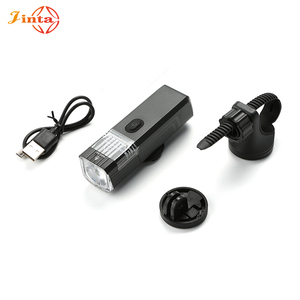
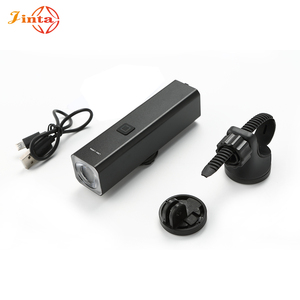
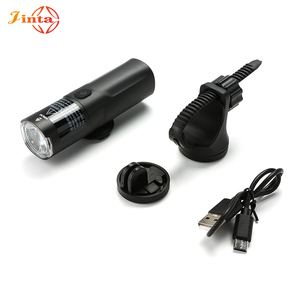
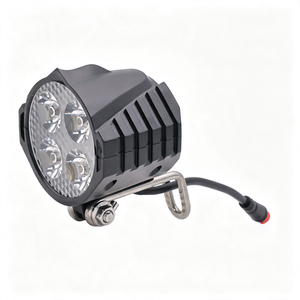
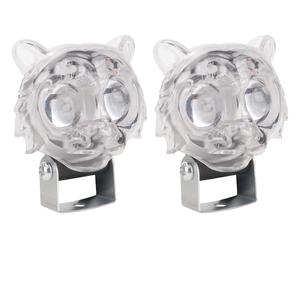
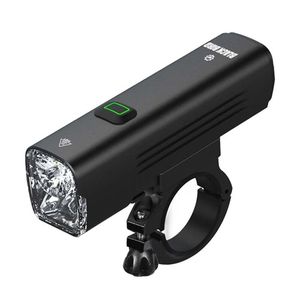
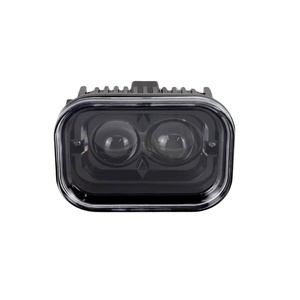
Top-tier distributors are bundling passive micro-prismatic decal sets with integrated active LED headlights and smart tail lamps. Sourcing both product categories from a unified OEM partner reduces shipping overhead and guarantees aesthetic color matching.
Achieving flawless optical performance and long-term durability in OEM frame sticker manufacturing demands a highly controlled production environment. Below is an overview of our factory-level quality assurance workflow:
Raw micro-prismatic polymers are conditioned in humidity-controlled rooms. A specialized corona-discharge treatment increases surface tension, ensuring maximum anchor strength for screen-printed graphics.
Utilizing high-density UV-cured inks, graphics are applied without obscuring underlying retroreflective micro-structures, preserving certified retroreflective optical performance (EN 17353 compliance).
A clear protective over-laminate is thermally pressure-bonded to the print layer. Finished sheets undergo rigorous testing: 500-hour salt spray exposure, UV xenon arc weathering, and thermal shock cycling (-30°C to +80°C).
Find expert answers to common procurement, technical customization, and international trade compliance questions asked by wholesale buyers and brand managers.
Request free material sample kits, OEM price lists, or technical data sheets for your upcoming product line. Our engineering and sales team responds within 12 hours.
Contact Us
