High-lumen front lights, smart sensing headlights, and split-battery setups engineered for global brands, distributors, and OEM buyers.
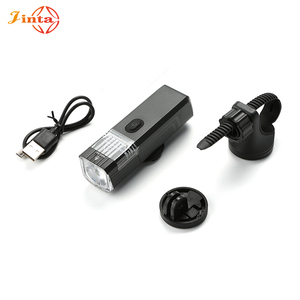
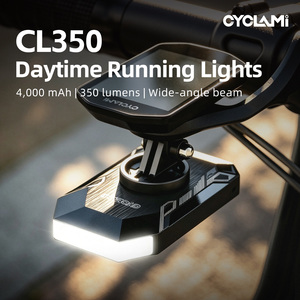
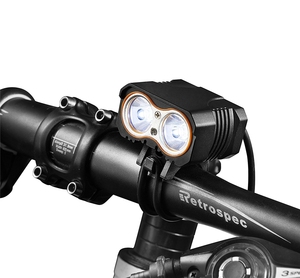
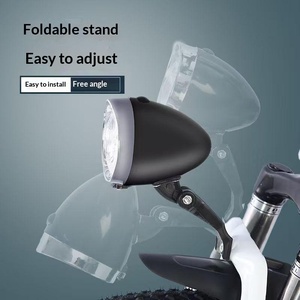
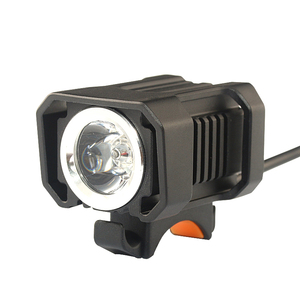
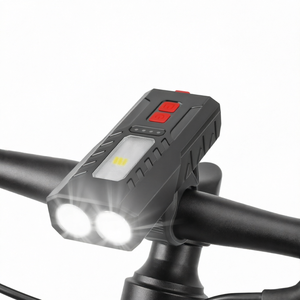
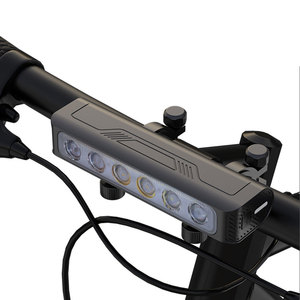
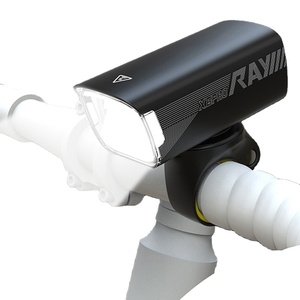
As the global cycling market shifts toward higher safety standards, electric micro-mobility integration, and night commuting, the demand for high-performance bicycle headlights has undergone a fundamental transformation. China’s manufacturing ecosystem—centered in optical tech hubs across Ningbo, Shenzhen, and Kunshan—now produces over 80% of the world’s bicycle lighting devices. Modern procurement is no longer just about acquiring low-cost plastic housings; international brands, distributors, and retail chain buyers require precision optical engineering, patented rotary controls, thermal management systems, and strict international compliance (such as German StVZO anti-glare standards, CE, RoHS, and UN38.3 battery certification).
This comprehensive industry guide provides B2B buyers with actionable insights into evaluating bicycle headlight manufacturers in China, understanding advanced optical beam physics, assessing factory quality control standards, and leveraging OEM/ODM custom capabilities for sustainable market differentiation.
Leading OEM factories in China have transitioned from simple contract assembly to complete co-development partnerships. Taking inspiration from Swedish design aesthetics and Scandinavian functional minimalism—such as patented Power Wheel dial switches and swappable 21700 battery cells—tier-1 factories offer comprehensive customized solutions:
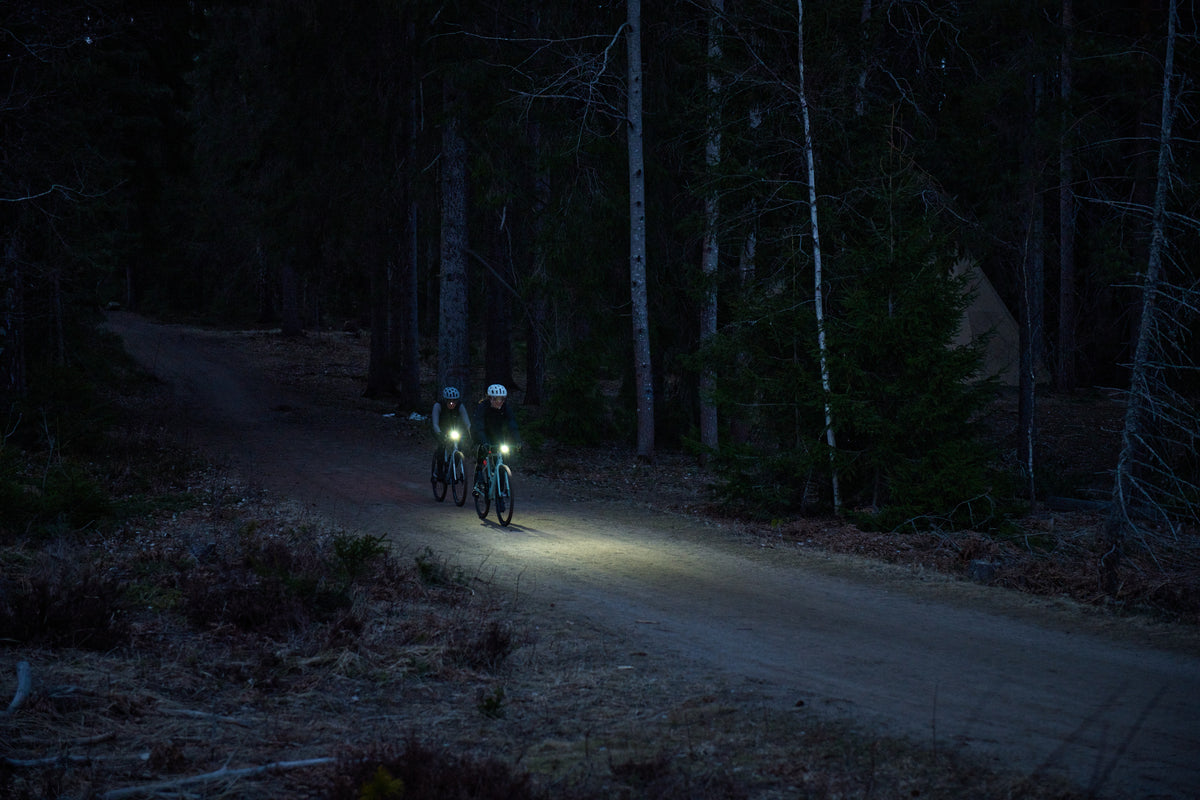
Uninformed procurement focuses solely on total lumen output. Professional optical evaluation requires measuring Lux at 10 meters and light distribution curves. A 500-lux focused beam with an asymmetric cut-off provides superior usability and safety compared to an uncollimated 1500-lumen glare source.
The transition from legacy 18650 lithium cells to high-density 21700 rechargeable Li-ion batteries (4000mAh–5000mAh) allows for 35% higher energy density. Modern BMS circuits incorporate NTC thermal cut-off, overcharge protection, and pass-through power bank output capability.
True weather resistance requires precision silicone gasketing, ultrasonic lens welding, and IPX6/IPX7 waterproof testing. Top factories utilize automated air-tightness testing chambers to ensure zero moisture intrusion during heavy rain conditions.
To optimize your product lineup, compare the structural, optical, and target buyer parameters across major product categories:
| Category Tier | Typical Output Range | Optical Lens Technology | Battery Type & Capacity | Primary Target Audience | Key OEM Customization Option |
|---|---|---|---|---|---|
| Urban Commuter | 350 - 800 Lumens | StVZO Cut-off TIR Optic | Integrated 18650 / 2600mAh | Daily City Cyclists, E-scooter Users | Custom shell colors, silicone strap branding |
| High-Lumen Trail / MTB | 1200 - 2000 Lumens | Dual Spot + Flood Reflector | Swappable 21700 / 4000-5000mAh | Off-Road MTB, Gravel Riders | GoPro-compatible aero mounts, anodizing |
| Split-Battery Endurance | 700 - 1500 Lumens | Asymmetric Wide Reflector | External Pack (4800-10000mAh) | Bikepackers, Ultra-distance Cyclists | Custom cable lengths, external power bank firmware |
| Smart Auto-Sensing | 500 - 1200 Lumens | Fresnel & Sensor Dual Array | High-density Li-Polymer | Tech-savvy commuters, E-bike integration | Light sensor threshold tuning, custom display UX |
Understanding upcoming technological shifts is essential for B2B buyers planning inventory cycles 12 to 24 months in advance. Our optical research team has identified four mega-trends driving product development in Chinese manufacturing hubs:
Originally restricted to the German market, anti-glare optical beam cut-offs are now becoming standard across North America, the UK, and East Asia. Manufacturers are replacing symmetrical reflectors with complex optical free-form reflectors that project light downward onto the roadway, eliminating dangerous glare for oncoming drivers and cyclists while maximizing usable Lux on the ground.
With global e-bike sales surging, headlights with integrated wide-voltage step-down buck converters (compatible with Bosch, Shimano, Bafang 6V-48V DC outputs) represent the fastest-growing OEM segment. These models eliminate standalone lithium batteries, drawing power directly from the e-bike battery pack while incorporating high/low beam handlebar switches.
Legacy Micro-USB ports are completely phased out. Modern headlights utilize sealed USB-C ports with PD (Power Delivery) fast-charging protocols, cutting recharge times for 5000mAh batteries from 6 hours to under 2.5 hours. Furthermore, bi-directional firmware enables the headlight to function as an emergency power bank to recharge GPS bike computers and smartphones.
Driven by European Eco-Design Directives and consumer demand for circular longevity, modern headlights move away from permanently glued plastic housings. Premium OEM factories now produce modular aluminum chassis with threaded battery end-caps, allowing users to swap standard 21700 cells easily during long rides and replacing degraded cells after years of service.
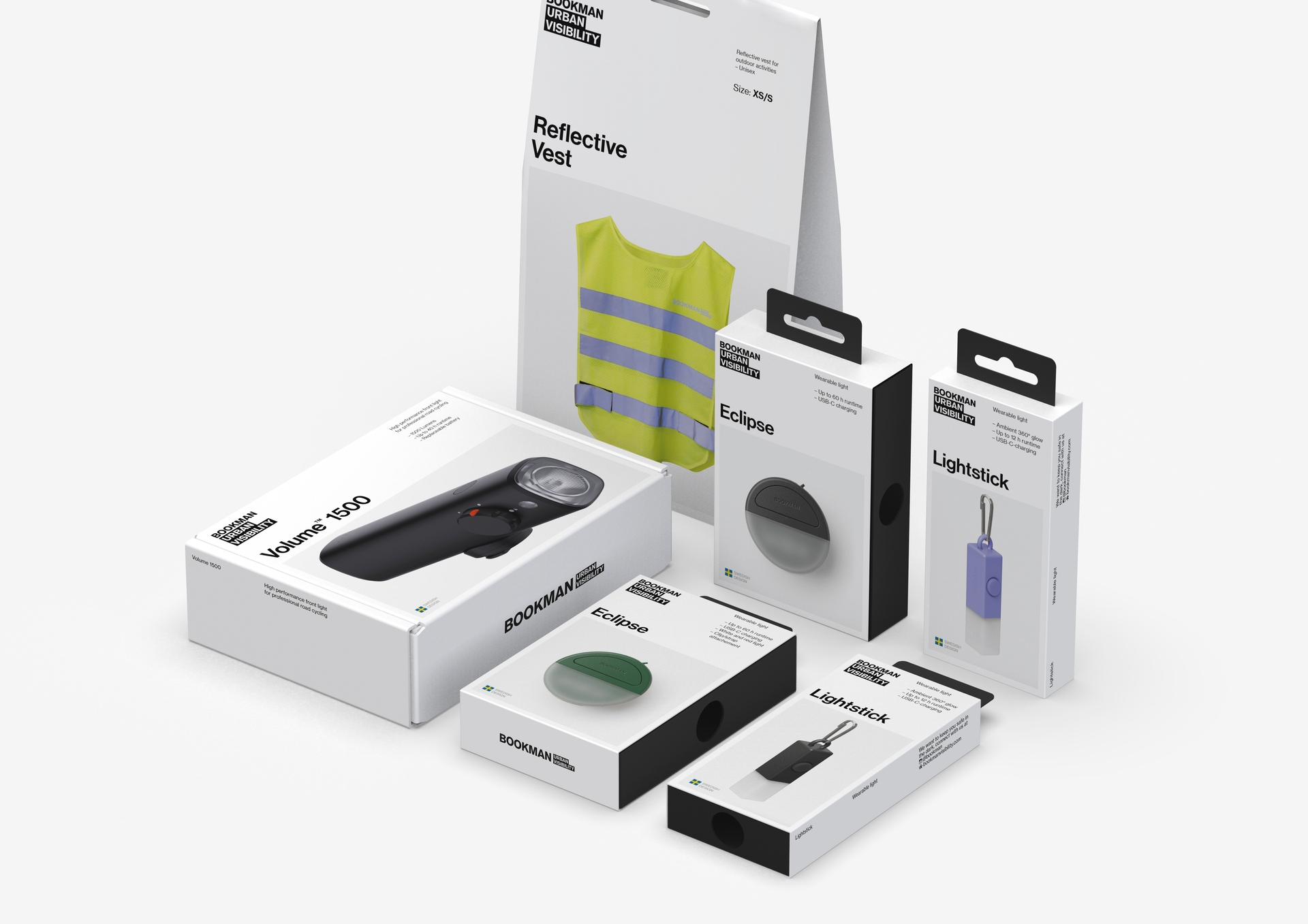
Combining award-winning industrial design principles with China’s most efficient supply chain integration, our network of specialized factories offers enterprise buyers an uncompromised competitive edge:
Comprehensive technical and commercial answers to help streamline your sourcing process.
Connect directly with our engineering team to request product samples, factory audit reports, optical photometric files (IES/LDT), and wholesale OEM pricing catalog.

