Direct OEM/ODM catalog products engineered in compliance with EN ISO 20471, ANSI/ISEA 107, and CE waterproofing benchmarks for international distribution.
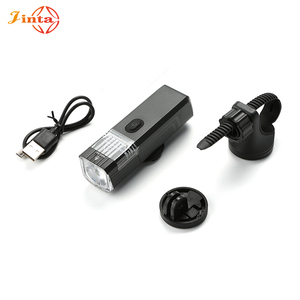
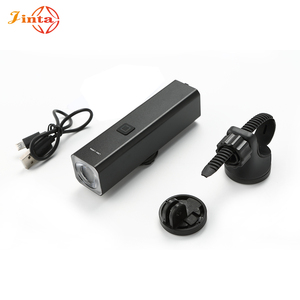
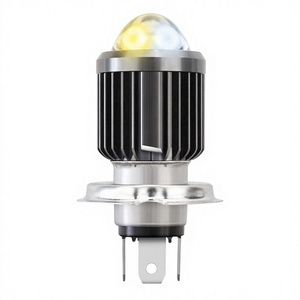
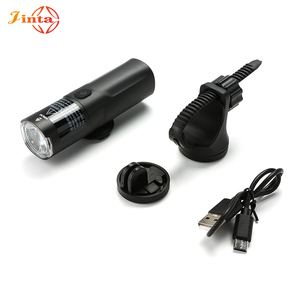
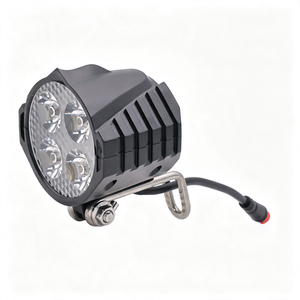
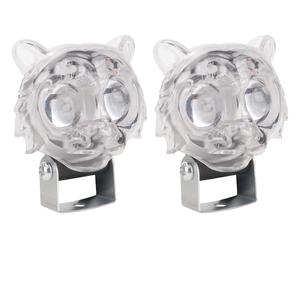
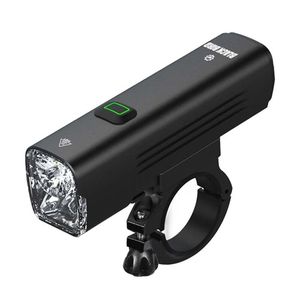
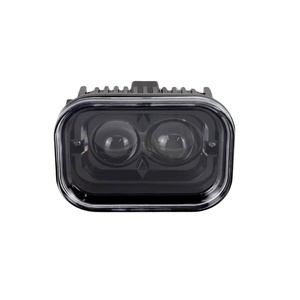
In the global Personal Protective Equipment (PPE) and active sports safety sectors, procurement dynamics have undergone a revolutionary transformation. Historically, safety reflective vests and high-visibility apparel relied strictly on passive retroreflective micro-prismatic glass bead technology. However, escalating urbanization, complex night-transit corridors, and strict municipal labor safety regulations have driven demand toward integrated Active Illumination Systems. Modern safety gear must now fuse high-grade fluorescent textiles with high-lumen LED arrays, COB (Chip-on-Board) wearable modules, and intelligent power management units.
As the primary global epicenter for textile manufacturing and optoelectronic hardware assembly, China's safety vest exporters and industrial lighting factories produce over 78% of the world's high-visibility protective wear. Choosing an OEM/ODM manufacturing partner requires navigating technical capabilities beyond basic stitching: global buyers must evaluate optical dispersion efficiency, surface reflectance values measured in $cd/(lx\cdot m^2)$, thermal degradation tolerances of SMT PCB boards, battery cell chemistry standards (21700 vs. 18650 Li-ion), and seam-sealing waterproof integrity.
Traditional passive reflective fabric requires an incoming vehicle headlight beam angled precisely toward the retroreflective tape to reflect light back to the driver. Active LED integrated vests and high-brightness bicycle illumination systems generate independent light energy visible up to 1,500 meters away across 360-degree angles, compensating for non-line-of-sight visibility gaps, rainy/foggy diffusion, and total darkness.
A comparative procurement matrix outlining performance benchmarks enforced by leading OEM China factories for international markets.
| Performance Criteria | EN ISO 20471 (EU Standard) | ANSI/ISEA 107 (US Standard) | Next-Gen Smart Hybrid Standard |
|---|---|---|---|
| Fluorescent Base Fabric | Class 1, 2, or 3 (Min 0.80m² background material for Class 3) | Type R, O, or P (Performance Class 1, 2, or 3) | Breathable 120g/m² Warp Knitted Polyester with Anti-UV coating |
| Retroreflective Tape Performance | >330 $cd/(lx\cdot m^2)$ (Level 2 performance) | >330 $cd/(lx\cdot m^2)$ (High-performance micro-prismatic) | >500 $cd/(lx\cdot m^2)$ Glass Bead + Micro-prismatic Dual Film |
| Active Illumination Hardware | Not required (Optional supplementary active light) | Optional supplementary lighting allowed | Integrated Flexible COB LED strip / High-Lumen 21700 Pack |
| Ingress Protection (Waterproofing) | Standard wash durability test (25x - 50x cycles) | Standard domestic wash durability test | IPX6 to IPX8 Waterproof Sonic-Welded Module Casing |
| Power Management Integration | N/A | N/A | USB-C Fast Charge, Patented Dial Switch, BMS Protection Circuit |
Why leading global brands choose tier-1 Chinese manufacturers for active safety and high-lumen visibility solutions.
Eliminating clumsy push-button sequences, top-tier factories utilize patented rotary dial interfaces (such as Power Wheel technology). This allows seamless dimming and mode adjustments while wearing heavy winter industrial gloves or riding at high speeds.
By shifting from sealed low-capacity Li-po packs to field-replaceable 4000mAh 21700 Lithium-ion batteries, modern active safety equipment extends product lifespan, minimizes total cost of ownership, and supports long-distance endurance applications.
Utilizing high-precision fisheye convex lenses, cut-off beam optics for anti-glare protection, and wide 220-degree COB light distribution, exported hardware ensures visibility without blinding oncoming traffic.
Advanced mounting brackets engineered with GoPro-style interfaces fit traditional round frames, oval aero handlebars, and industrial safety helmets, ensuring universal application across municipal and commercial sectors.
As corporate ESG (Environmental, Social, and Governance) targets tighten globally, safety equipment distributors are demanding circular economy design principles from China suppliers. OEM factories are responding with three primary technological innovations:
Factories are migrating from virgin polyester textiles to GRS-certified (Global Recycled Standard) recycled PET fibers extracted from post-consumer plastic bottles. Furthermore, non-toxic photoluminescent pigment coatings are being integrated into retroreflective tapes, allowing safety vests to glow continuously even when no external electrical power source is active.
Next-generation high-visibility vests engineered in Zhejiang and Guangdong manufacturing hubs incorporate ultra-lightweight Bluetooth Low Energy (BLE) collision detection sensors, accelerometer fall-detectors, and automatic emergency brake-light illumination triggered by inertial measurement units (IMUs).
With the global surge in electric bikes, commercial cargo trikes, and micro-mobility fleets, lighting modules (such as 12V-48V wide-voltage headlamps) are being directly wired into e-vehicle power buses, eliminating the need for standalone battery packs in commercial delivery vest systems.
To ensure supply chain resilience, brand protection, and regulatory compliance, corporate procurement directors should execute the following 5-point technical inspection protocol during supplier onboarding:
Demand batch-specific retroreflective coefficient test reports conducted under CIE 54.2 standards. Verify initial luminance factor ($Y$) and chromaticity coordinates ($x,y$) for fluorescent yellow, orange-red, and red base fabrics.
Inspect automated Surface Mount Technology (SMT) lines. Ensure active LED modules undergo conformal coating, ultrasonic plastic welding, or silicone potting to achieve IPX6/IPX7 fluid resistance against heavy rain and industrial washing.
Verify that all rechargeable lithium-ion power modules maintain updated MSDS, UN38.3 transport safety documentation, IEC 62133 certifications, and built-in overcharge/over-discharge protection circuits (BMS).
Conduct seam strength testing under ISO 13935-2 and verify retroreflective performance retention after 25 to 50 ISO 6330 domestic laundering cycles at 60°C.
Expert solutions addressing custom OEM/ODM manufacturing, certification requirements, shipping protocols, and production lead times.
Leverage our Swedish design heritage, patented optical engineering, fully automated SMT assembly lines, and rigorous ISO-certified quality assurance to elevate your product catalog. Whether supplying municipal procurement contracts, commercial logistics fleets, or premium sports cycling brands, we deliver uncompromised safety hardware.

