Explore our high-performance LED bicycle headlights, tail lights, and motorcycle-grade auxiliary lights built for international brands, importers, and wholesale distributors.
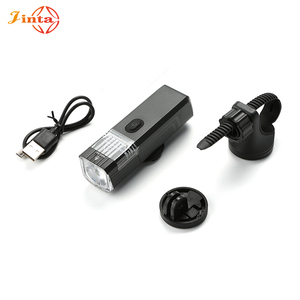
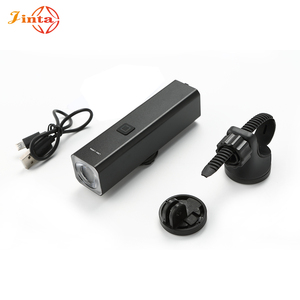
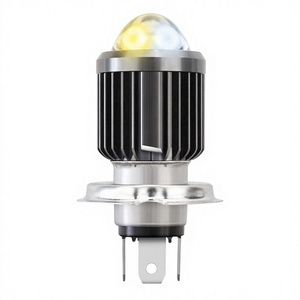
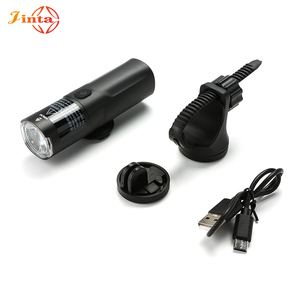
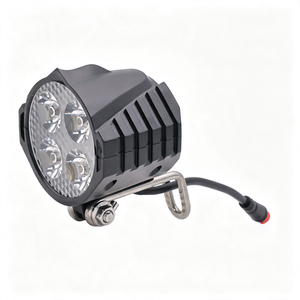
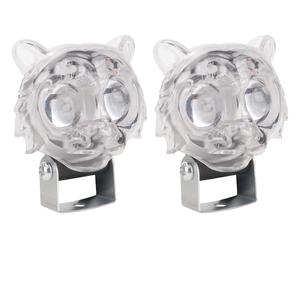
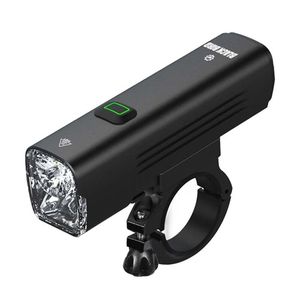
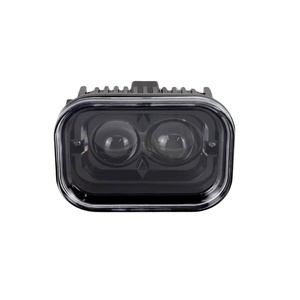
As a premier OEM/ODM manufacturing partner in China, we integrate modern human-centric design philosophies—such as single-dial mechanical switches, modular 21700 swappable batteries, and sleek optical cut-off lenses—with rigorous industrial scaling.
Our vertically integrated facility handles everything from initial CAD thermal simulations, precision CNC aluminum housing extrusion, to automated SMT surface mounting and IP68 environmental testing chambers.
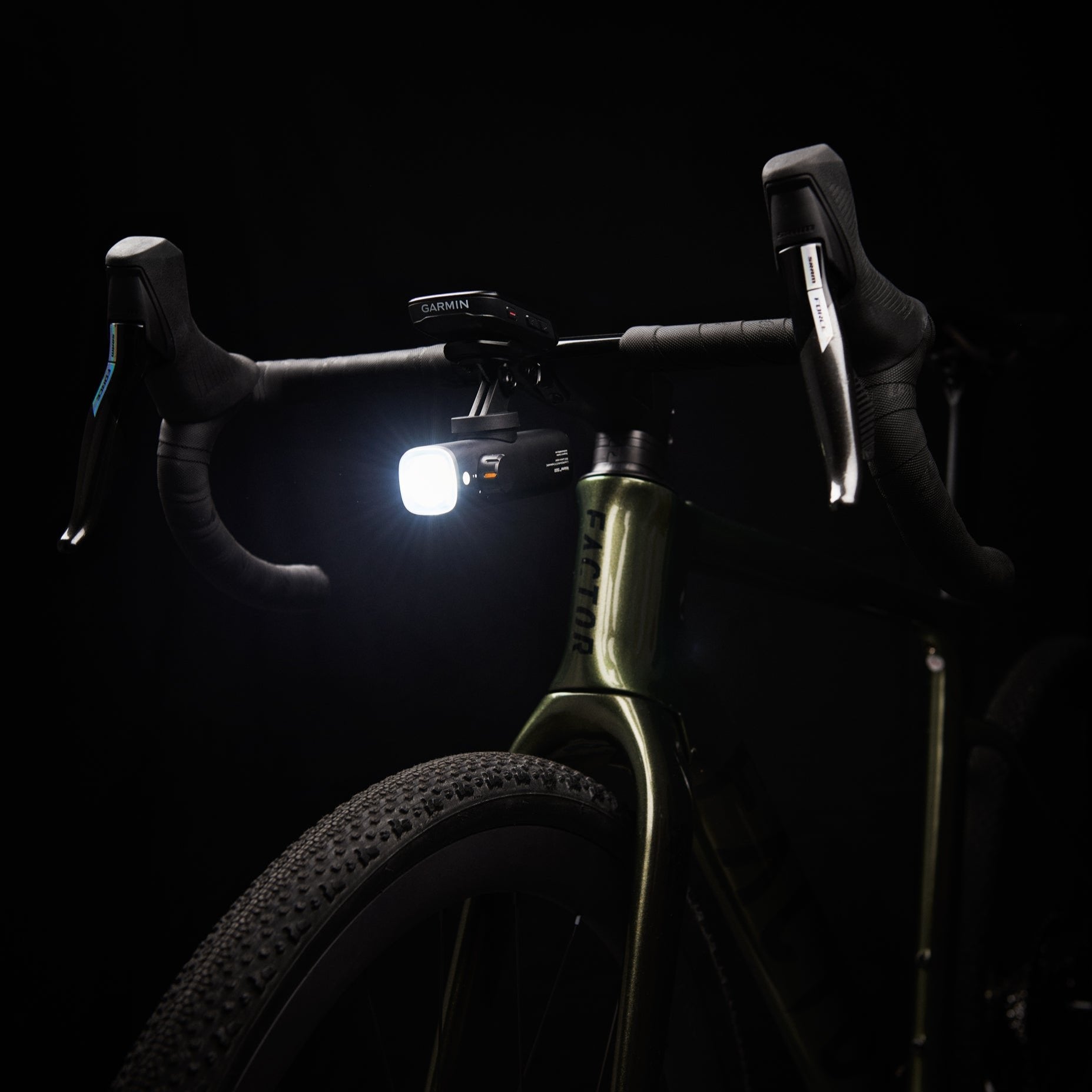
To assist global procurement officers and hardware product managers, the table below outlines technical metrics across key bike light manufacturing classes:
| Product Category | Lumen Range | Optical Lens Type | Battery & Power Architecture | Primary OEM Application |
|---|---|---|---|---|
| Urban Commuter Headlights | 300 – 800 Lumens | StVZO Anti-Glare Cut-Off Reflector | Integrated Li-po / USB-C Fast Charge | City Commuter Bikes, Shared Fleets |
| Ultra-Endurance Trail Lights | 1200 – 2000 Lumens | Dual TIR Focus / Flood Lens Assembly | Replaceable 21700 / 18650 Li-ion Cells | Gravel Riding, Bikepacking, Night Trails |
| E-Bike Main-System Lights | 500 – 1500 Lumens | High-Intensity Fresnel Lens | Direct DC 12V – 60V Stepped Input | E-MTB, Cargo E-Bikes, Urban E-Bikes |
| COB Safety Rear Lights | 30 – 150 Lumens | Wide-Angle Surface COB Matrix | Rechargeable Micro / Type-C Cell | 360° Urban Safety, Wearable Gear |
“Information Gain Insight for B2B Buyers: Selecting a China bicycle light manufacturer is no longer just about raw lumen output. Modern buyer conversion hinges on optical beam shaping (anti-glare compliance), battery lifecycle durability (21700 cell architecture), and smart sensor integration (braking detection and ambient auto-dimming).”
The global bicycle lighting market is undergoing a structural transition driven by the rapid growth of urban e-mobility, ultra-endurance cycling disciplines (gravel/bikepacking), and stricter traffic safety regulations across European and North American markets. For brands, distributors, and procurement directors sourcing from China, staying ahead requires a thorough understanding of core technology trends and supply chain evolution.
Traditional high-lumen bike lights often scatter light symmetrically, blinding oncoming traffic and failing European safety standards such as Germany’s StVZO (Straßenverkehrs-Zulassungs-Ordnung). Next-generation OEM light design relies on custom-engineered optical reflectors and Aspheric Total Internal Reflection (TIR) lenses. By shaping the beam into a strict horizontal plane with a sharp cut-off line, light is concentrated entirely on the roadway ahead while protecting oncoming cyclists and drivers.
While sealed internal lithium-polymer batteries dominated early USB-rechargeable designs, high-performance cycling demands are turning toward user-serviceable 21700 lithium-ion battery cells. Providing up to 4000–5000 mAh capacities in compact form factors, 21700 cells allow riders to instantly swap spare batteries during multi-day events or long winter night commutes. Furthermore, swappable designs drastically extend overall product lifespan, adhering to EU Right-to-Repair mandates and corporate ESG sustainability goals.
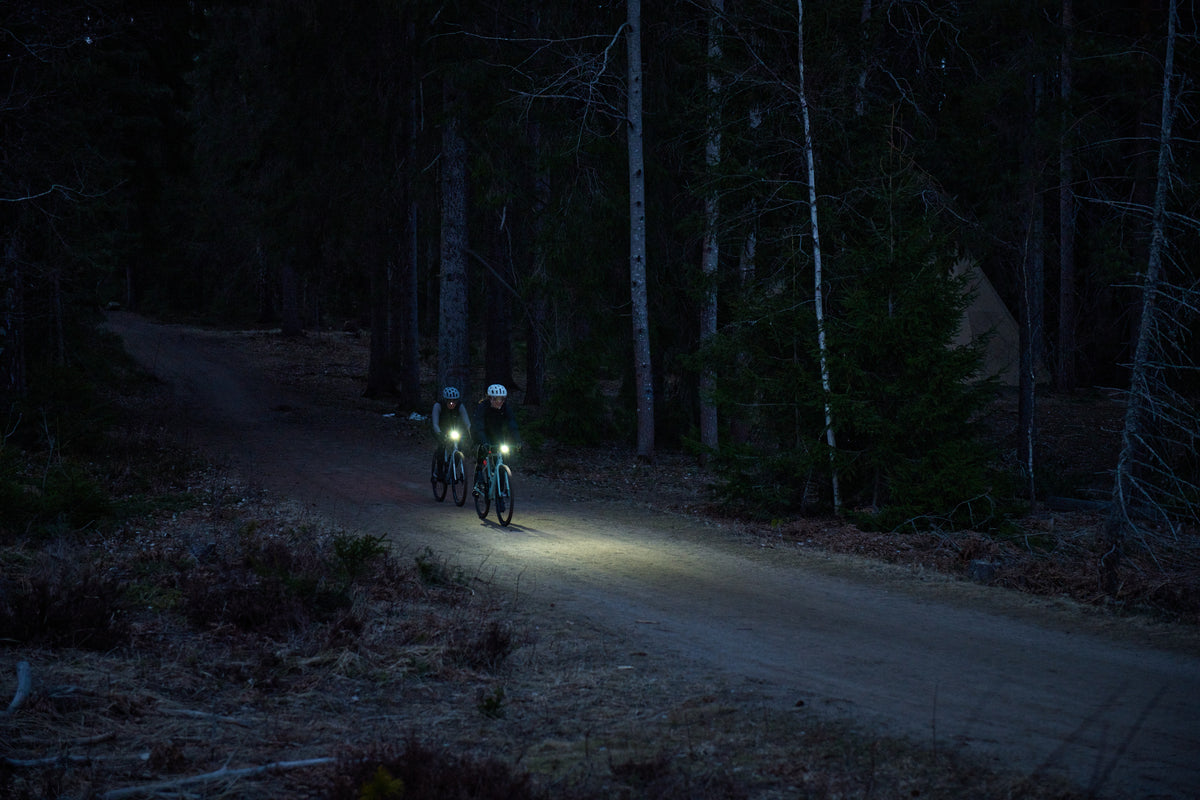
Rear safety lighting has evolved beyond single-point LEDs. Chip-on-Board (COB) matrix arrays allow hundreds of tiny LED chips to be packed onto a single curved substrate. This creates a soft, continuous glowing panel that increases surface luminescence without harsh glare.
Crucially, COB optics enable wide lateral visibility (exceeding 220 degrees), preventing blind-spot collisions at urban intersections.
Modern bicycle lights are increasingly intelligent components within a broader connected mobility ecosystem:
When selecting a Chinese manufacturer for private-label or custom-tooled bicycle lights, procurement leaders must evaluate technical competencies beyond price-per-unit metrics:
High-power LED chips (such as Cree, Osram, and Luminus die arrays) generate substantial localized heat. Quality manufacturers utilize multi-layer Aluminum-Core PCBs (MCPCBs) paired with high-conductivity thermal paste to route heat directly into CNC-machined aluminum heatsink housings. Inferior thermal dissipation results in rapid luminous decay (color shifting) and permanent LED degradation within months of use.
True all-weather bicycle accessories require IPX6 (heavy rain resistance) or IPX7/IP68 (water immersion) seals. Leading suppliers employ ultrasonic plastic welding, double-injection O-ring seals, and automated waterproof pressure chamber testing on 100% of production runs to ensure long-term field reliability.

For standard custom logo laser engraving and customized retail packaging, our MOQ typically starts at 500 to 1,000 units per model. Full custom optical tooling or completely customized plastic housing molds generally require 2,000 to 5,000 units depending on complexity.
Yes. All our production lines adhere strictly to CE, FCC, RoHS, and REACH international environmental standards. Specific models are specifically engineered with custom cut-off optics designed to pass German StVZO (K-Mark) laboratory certification.
All integrated lithium-ion batteries and swappable 21700/18650 cells are fully certified with UN38.3, MSDS, and IEC 62133 test reports, guaranteeing compliance for seamless sea, air, and express freight customs clearance.
Absolutely. We specialize in step-down DC-DC buck converter circuit integration, supporting wide input voltage ranges from 12V up to 80V DC for seamless connection directly to major E-bike motor system batteries.
Standard lead times for mass production are 25 to 35 days following sample confirmation and deposit receipt. For urgent seasonal stocking orders, expedited schedules can be arranged upon inquiry.
Request comprehensive OEM catalog pricing, technical datasheets, and custom sample kits today. Connect directly with our optical engineering team.
Inquire Now
