0%

Choosing the right bike light can feel simple until the first dark ride exposes its weaknesses. A beam may look bright indoors, yet disappear on a wet road. Batteries may last for weeks, then drain quickly in cold weather. These details matter when visibility, comfort, and reliability are at stake.

This guide explores 10 practical tips for choosing replaceable battery bike lights. It considers brightness, beam shape, battery type, mounting security, weather resistance, and ease of use. From regular commuting to rural evening rides, each factor affects how confidently you can see and be seen. A light should not only perform well in a product description. It should remain dependable when gloves make battery changes awkward.

Real riding experience often reveals what specifications miss. A loose mount can tilt over potholes. A narrow beam can leave road edges hidden. Replaceable batteries can be convenient, but carrying spares adds weight and planning. There is no perfect choice for every cyclist. I have also learned that higher brightness is not always better, especially around pedestrians and oncoming riders.

The recommendations ahead combine practical testing habits with established cycling safety guidance. They are designed to help you compare products carefully, avoid rushed purchases, and match a light to your actual route. Small decisions matter. The best choice is usually the one you can operate, maintain, and trust on an ordinary night.
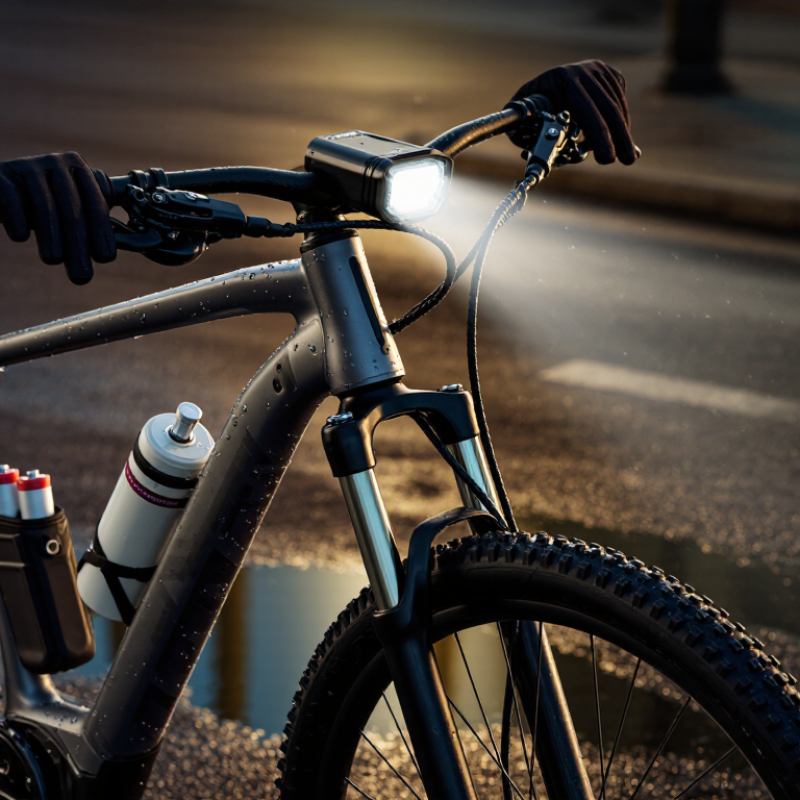
10 Tips for Choosing Replaceable Battery Bike Lights

Identify Your Riding Needs and Typical Lighting Conditions

Choosing a replaceable battery bike light starts with an honest description of your routes. A city commuter on lit streets needs visibility, not a powerful beam that blinds others. Unlit lanes demand a controlled forward beam, because potholes appear before reflective signs do. I assess my regular ride by darkness, traffic, weather, and distance from help. That sounds excessive. It prevents choosing a light from one impressive number.

For short commutes, a compact light with accessible replacement cells may be sufficient. Check whether compatible batteries are easy to find and securely held. Follow the instructions for charging, storage, and battery replacement. On rural roads, choose several brightness levels and a steady mode for judging bends. Flashing modes can attract attention, but they may distract nearby riders or drivers. Rain also changes the decision; exposed switches and loose battery covers become frustrating quickly. I once ignored that detail and lost power after a wet ride. Learn from my mistake. Test the light outside at night, not only against an indoor wall. Record its useful runtime on your chosen setting, since advertised figures may use lower output. A spare cell adds weight, yet it may matter more than another lighting mode.

Compare Battery Types, Capacity, and Replacement Availability

10 Tips for Choosing Replaceable Battery Bike Lights

Battery chemistry affects brightness, runtime, weight, and replacement cost. Alkaline cells are widely available, but they may leak after long storage. NiMH rechargeable cells reduce waste and perform better under repeated use. Lithium-ion cells usually offer higher energy density, but they need compatible charging systems. The International Energy Agency reported a 14% fall in lithium-ion battery prices during 2023, yet local replacement prices can vary sharply. Check the battery format before buying. AA and AAA cells are easier to find than unusual built-in packs. Standard sizes matter.

Capacity requires careful comparison. A larger mAh number does not always mean longer runtime. Voltage also matters, so compare watt-hours when possible: volts multiplied by amp-hours. IEC 61960-3 specifies controlled conditions for measuring rechargeable lithium-cell capacity, but real cycling adds cold weather, flashing modes, and aging. Test the light at its intended setting. Very bright is not always useful.

I once chose a light by advertised lumens alone. That shortcut was a mistake. Look for replaceable cells, a secure battery door, and clear charging instructions. Confirm whether the manufacturer supports protected cells and whether a suitable charger is still sold. The U.S. Department of Energy identifies battery durability and supply availability as important lifecycle factors. Keep one spare set at home. Small detail. Also inspect contact springs for corrosion; a high-capacity cell cannot fix a poor connection.

Evaluate Brightness, Beam Pattern, Runtime, and Charging Options

10 Tips for Choosing Replaceable Battery Bike Lights

Brightness matters, but raw lumen numbers can mislead. ANSI/NEMA FL 1 measures runtime until output falls to 10% of its initial level, not until the lamp becomes useless. Compare tested runtime instead of packaging claims. For urban streets, a moderate front beam can reveal potholes without blinding approaching riders. A focused beam suits dark trails, while a wider pattern improves side visibility at junctions. I prefer lights with several modes, but excessive flashing can become distracting.

Runtime should match your real commute, including cold weather and aging batteries. The U.S. National Highway Traffic Safety Administration reported 1,105 bicyclist fatalities in 2022, showing why reliable visibility deserves careful attention. Carrying a charged spare battery is valuable, especially when a long ride exceeds the advertised runtime. I once trusted a “12-hour” claim and received far less brightness after several cold rides. That mistake still influences my testing.

Charging options need practical evaluation. Removable cells allow quick replacement, while USB charging is convenient at work or during touring. Check whether the light supports common rechargeable cells, includes overcharge protection, and indicates low power clearly. A battery indicator helps, though some are optimistic. ANSI/NEMA FL 1 testing uses controlled conditions, so wind, temperature, road vibration, and flashing modes can change results. Test the light on your own route before relying on it in darkness.

Check Mounting Security, Weather Resistance, and Ease of Use

10 Tips for Choosing Replaceable Battery Bike Lights

Mounting security deserves more attention than brightness claims.

I test a light on rough pavement, not just indoors. The housing should remain still when the handlebars turn sharply. A flexible silicone strap can absorb vibration, but it may loosen after repeated use. A locking bracket feels safer, especially on gravel roads. Check whether you can remove the light without tools.

NHTSA Traffic Safety Facts reports more than 1,000 bicyclist deaths in recent U.S. annual data, so dependable visibility is not a minor detail.

Weather resistance should match your actual route.

IEC 60529 classifies IPX4 as protection against water splashes, while higher ratings offer stronger protection. Look for sealed battery doors and covered charging or switch areas. Replaceable batteries are practical, but a poorly sealed compartment can invite rain.

I once assumed a thick rubber cover guaranteed protection. That assumption was wrong.

Inspect the gasket for pinching, dust, or gaps. Test it after a wet ride, then open the compartment carefully.

Ease of use matters in cold traffic.

Can you change batteries with gloves? Is the switch easy to find without looking down? The light should show battery status clearly, without distracting flashes. Carry one spare battery in a dry pouch.

Check runtime at the setting you actually use, not only the manufacturer’s lowest mode. A light that takes two hands to operate may stay unused.

Keep it simple. Safety choices deserve practical testing.

Assess Compatibility, Maintenance Requirements, and Overall Value

10 Tips for Choosing Replaceable Battery Bike Lights

A replaceable battery light should fit your riding routine, not just your handlebars. Check the mount diameter, clamp range, and available space before buying. Measure twice. Confirm the battery type, voltage, size, connector, and polarity. Similar-looking cells may not work safely together. Read the manufacturer’s specifications, not only the product description. A secure mount matters on rough roads. Test whether you can remove the battery without tools. I once chose a bright light with a cramped battery compartment. It performed well, but maintenance became frustrating.

Maintenance affects real value. Look for sealed housing, protected contact points, and a switch that works with gloves. Inspect the battery contacts regularly for moisture or corrosion. Carrying a spare battery helps during long rides, but store it in a protective case. Do not mix old and new cells. Use the recommended charging method. Replace damaged batteries promptly. Clean the lens with a soft cloth. Small habits prevent weak beams and unreliable starts. Still, even careful storage cannot prevent every failure.

Compare runtime at useful brightness, not the highest advertised setting. Check whether replacement batteries remain available and reasonably priced. Consider charging time, battery lifespan, repair access, and warranty support. A cheaper light may cost more after several battery replacements. A powerful model may also waste energy on short commutes. Choose a beam pattern that suits traffic and dark paths. Confirm the light remains visible from the side. Reviews from experienced riders can reveal loose mounts or inaccurate runtime claims. My own tests are imperfect, especially in cold weather, so I treat one ride as evidence, not proof.

FAQS

How should I choose a bike light for city commuting?

Choose a compact light with moderate brightness and clear side visibility. A bright beam is not always better. Avoid dazzling nearby riders and drivers. Check that replacement batteries are easy to find.

What kind of light suits dark rural roads?

Choose several brightness levels and a controlled forward beam. A steady mode helps reveal bends and potholes. Test the beam outdoors at night. Indoor wall tests can mislead you.

Which replaceable battery type is most practical?

Standard AA or AAA batteries are usually easier to replace. Rechargeable nickel-metal hydride cells suit frequent use. Lithium-ion cells store more energy but require compatible chargers. Do not mix incompatible cells.

Does a higher mAh rating guarantee longer runtime?

No. Voltage, brightness, temperature, and battery age also matter. Compare watt-hours when possible. Test runtime on your chosen brightness setting. Advertised figures may use a weaker output.

What should I check before buying a replacement-battery light?

Check the battery format, voltage, connector, polarity, and compartment space. Confirm that the battery door closes securely. Read the charging instructions carefully. Measure the mount area twice.

How can I maintain reliable battery performance?

Inspect contacts for moisture or corrosion. Clean the lens with a soft cloth. Store spare batteries in a protective case. Do not mix old and new cells. Replace damaged batteries promptly.

Is weather resistance important for a bike light?

Yes. Look for sealed housing and protected switches. Loose covers can admit water during heavy rain. Test the switch while wearing gloves. I once ignored this detail and lost power after a wet ride.

How can I judge the light’s overall value?

Compare useful runtime, replacement cost, charging time, and repair access. A cheap light may cost more later. Check whether the mount stays secure on rough roads. My own cold-weather tests are imperfect. One ride is not proof.

Conclusion

Choosing the right replaceable battery bike lights starts with understanding your riding habits and typical lighting conditions. Consider whether you ride mainly on city streets, dark trails, or mixed routes, and determine how much brightness and visibility you need. Compare battery types, capacity, expected lifespan, and how easily replacement batteries can be found. It is also important to examine beam pattern, runtime, charging options, and whether the light can continue working with spare batteries during longer trips.

Practical design features can greatly affect daily use. Look for a secure mounting system that stays stable over rough surfaces, along with weather resistance suitable for rain and changing conditions. Simple controls, easy battery access, and clear power indicators improve convenience. Finally, check compatibility with your bicycle, review basic maintenance requirements, and consider the total value rather than focusing only on the initial price. A dependable light should provide consistent performance, safe visibility, and manageable long-term upkeep.


Charlotte

Charlotte

Charlotte is a dedicated marketing professional with a strong understanding of the company’s products, services, and customer needs. With a thoughtful approach to market research, content strategy, and professional communication, she helps connect valuable solutions with the people and......
