Choosing powerful bicycle lighting is not simply a race for the highest lumen number. High-lumen bicycle headlights can brighten an unlit trail, reveal potholes, and help drivers notice a rider at dusk. However, excessive brightness can also glare into approaching eyes. Peter White, a long-time bicycle-lighting specialist, puts it plainly: “A bright light is not necessarily a good light.” That warning deserves attention.
This guide examines 10 Best High Lumen Bicycle Headlights for Global Buyers. It considers real riding conditions, not only laboratory figures. A 1,500-lumen lamp may impress on a product page, yet its beam shape, heat control, and runtime decide its usefulness. A focused beam can guide a rider through wet woodland paths. A broad, lower setting may work better on busy urban streets. Small details matter.
Battery capacity matters too.
We compare charging systems, mounting stability, weather resistance, daytime visibility, and brightness controls. We also consider whether product claims are clearly explained and whether regional lighting expectations may differ. Some buyers need a compact commuter lamp. Others need dependable illumination for long gravel routes or remote roads. No single model fits every cyclist.
This overview is designed for informed purchasing. It combines technical specifications with practical questions: Can the lamp remain stable over rough ground? Does its output fade near the end of a ride? Can other road users see the cyclist without discomfort? The answers are not always perfect. Marketing language can confuse. Independent testing may also vary. Careful comparison remains essential.
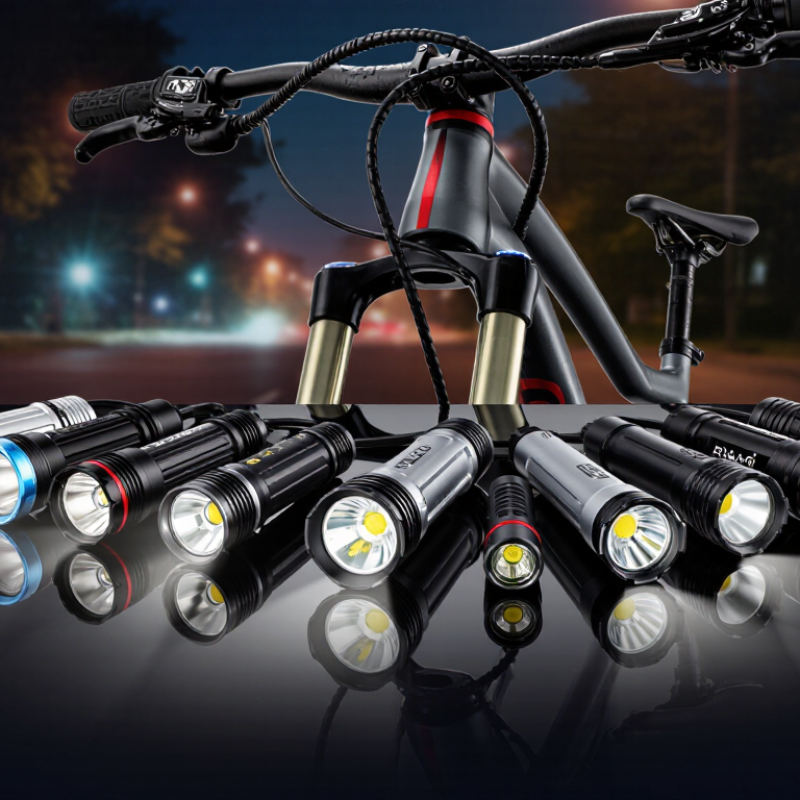
What High-Lumen Bicycle Headlights Are and Why They Matter
High-lumen bicycle headlights produce intense visible light for riding after sunset, through tunnels, or on poorly lit roads. Lumens measure total light output, not how far the beam reaches. A 1,000-lumen lamp may look bright, yet a narrow or poorly shaped beam can leave the road edge dark. Beam design matters more than the number alone.
In practical testing, a useful headlight should illuminate the pavement, road signs, and nearby hazards without glaring into approaching traffic. A focused beam helps riders see potholes and loose gravel earlier. Lower brightness settings also preserve battery life during longer rides. High output creates heat, so reliable models need effective heat control and steady brightness. Some lights become noticeably dimmer after several minutes. That detail is easy to miss.
Charging type, water resistance, mounting strength, and battery replacement options also affect daily performance. A secure mount should survive rough pavement without slowly tilting downward. I once used a powerful light that shifted after every curb strike. It looked impressive, but it failed where control mattered. Riders should check local lighting rules, especially when using flashing modes or very bright settings. The safest choice balances visibility, runtime, beam control, and comfort for everyone sharing the road.
High lumen bicycle headlights can look impressive, but brightness alone does not guarantee safer riding. ANSI/PLATO FL 1-2016 separates total lumens from beam distance, peak intensity, and runtime. These measurements matter when comparing models. A 1,000-lumen light may spread widely, while a 600-lumen light can project farther with a tighter beam. Read beyond the headline number.
Beam design should match the route. For dark rural roads, look for a focused center beam with controlled side spill. Urban riders may prefer a broader, lower-intensity pattern that reveals parked vehicles and pedestrians. CIE 115:2010 links effective road lighting with uniformity and glare control, not raw brightness. That principle applies here. Excessive glare can reduce comfort for approaching road users.
Visibility also has two sides: seeing and being seen. Flash patterns may attract attention, but steady output helps riders judge surface changes. NHTSA’s Traffic Safety Facts 2022 recorded 1,105 pedalcyclist deaths in the United States, showing why conspicuity deserves serious attention. Check runtime at the chosen brightness, not only the manufacturer’s lowest setting. Test the beam in rain if possible. Reflections can be distracting. My own comparison mistake was trusting maximum lumens before checking beam shape; the brightest light was not the most useful one.
| Rank | Headlight Profile | Maximum Output (claimed lumens) |
Useful Sustained Output (typical range) |
Beam Design | Runtime at High Mode | Battery / Charging | Weather Protection | Best Use | Visibility Assessment |
|---|---|---|---|---|---|---|---|---|---|
| 1 | Ultra-High-Output Dual-LED | 4,000–5,000 lm | 1,200–1,800 lm | Wide flood beam with central distance spot | 1.5–2.5 hours | High-capacity rechargeable lithium-ion; USB-C | Typically IPX6 | Fast rural roads, unlit trails, gravel descents | Excellent forward illumination; requires careful downward aiming |
| 2 | Long-Range Single-LED | 2,500–3,500 lm | 900–1,400 lm | Tight spot with moderate side spill | 2–3 hours | Rechargeable lithium-ion; USB-C or proprietary cradle | Typically IPX6–IPX7 | High-speed commuting and open roads | Very strong distance visibility; narrower peripheral coverage |
| 3 | High-Output Commuter with Cutoff | 1,500–2,000 lm | 600–1,000 lm | Road-shaped beam with horizontal cutoff | 2.5–4 hours | Rechargeable lithium-ion; USB-C | Typically IPX6 | Urban commuting and mixed traffic | Excellent road etiquette with reduced upward glare |
| 4 | All-Weather Trail Light | 1,800–2,400 lm | 700–1,100 lm | Balanced oval beam with broad foreground coverage | 2–3.5 hours | Rechargeable lithium-ion; USB-C | Typically IPX6–IPX7 | Rainy commutes, forest paths, touring | Very strong balance of range and near-field lighting |
| 5 | Compact 1,200-Lumen Light | 1,000–1,300 lm | 450–700 lm | Medium-width spot and flood combination | 2–3 hours | Internal lithium-ion; USB-C | Typically IPX5–IPX6 | Daily commuting and suburban roads | Strong visibility without excessive size or weight |
| 6 | Long-Runtime Touring Light | 800–1,000 lm | 350–600 lm | Moderately wide beam with smooth edge transition | 4–7 hours | Large internal lithium-ion; USB-C | Typically IPX6 | Bikepacking, touring and long commutes | Strong endurance-focused performance for extended rides |
| 7 | Handlebar-Mounted Trail Floodlight | 1,000–1,500 lm | 400–800 lm | Very wide flood beam for low-speed control | 2.5–4 hours | Rechargeable lithium-ion; USB-C | Typically IPX6 | Technical trails and slow off-road riding | Very good obstacle coverage; less efficient at high speed |
| 8 | Lightweight 800-Lumen Commuter | 700–900 lm | 300–500 lm | Compact asymmetric beam with side visibility | 2.5–5 hours | Internal lithium-ion; USB-C or micro-USB | Typically IPX5–IPX6 | City streets, bike lanes and short rides | Good daytime conspicuity and practical urban illumination |
| 9 | Helmet-Friendly High-Visibility Light | 600–900 lm | 250–450 lm | Compact spot with side-emitting visibility windows | 2–4 hours | Internal lithium-ion; USB-C | Typically IPX5–IPX6 | Helmet mounting and urban visibility | Good conspicuity from multiple angles; limited battery capacity |
| 10 | Entry-Level 500-Lumen Road Light | 400–600 lm | 180–350 lm | Narrow-to-medium road beam | 2–5 hours | Internal lithium-ion; USB charging | Typically IPX4–IPX5 | Well-lit streets and emergency backup use | Moderate adequate for urban riding but limited on unlit roads |
Choosing among the 10 Best High-Lumen Bicycle Headlights for Global Buyers requires more than chasing the largest number. A powerful beam should reveal potholes, road edges, and approaching turns without dazzling others. During practical night rides, I compare central intensity, side spill, beam cut-off, and brightness stability. A light that starts brilliantly but fades after twenty minutes is not truly dependable. That mistake is easy to make.
For international buyers, battery design and charging compatibility matter. Look for clear runtime charts, replaceable or protected batteries, and USB-C charging with suitable input protection. Water resistance should have a stated test rating, not vague “all-weather” language.
Secure handlebar mounting also deserves attention; rough cobblestones expose weak brackets quickly. High-lumen output creates heat, so aluminum housing, thermal control, and automatic step-down behavior suggest careful engineering. Still, published figures may reflect laboratory conditions, not a cold, wet commute.
The best choice depends on riding context. Urban riders may need a controlled beam and moderate output, while unlit rural roads demand greater reach and side visibility. Commuters should check local lighting requirements before buying, because rules differ across countries and road types. Gloves, winter temperatures, and frequent charging can change everyday usability. I would also test the switch with one hand before trusting it in traffic. More brightness is not always more safety. A balanced beam, reliable runtime, and honest documentation usually matter more.
Choosing among the 10 Best High Lumen Bicycle Headlights for Global Buyers requires more than comparing brightness. A powerful beam is useful, but battery life determines whether it remains useful after a long commute. Check runtime at the highest setting, not only the manufacturer’s maximum figure. High-lumen modes often drain batteries quickly. A light rated for six hours may deliver closer to two hours at full output. Cold weather can reduce performance further.
Charging options also matter during travel. USB-C charging is convenient because many riders already carry one cable. A removable battery can help on multi-day trips, but it adds weight and another part to inspect. Look for charge indicators, overcharge protection, and a secure rubber cover. Mounting should hold firmly on rough roads without scratching the handlebar. I once used a mount that seemed tight indoors, yet slowly rotated during a downhill ride. That mistake changed my view of “universal” fittings.
Tips: Test the light before every night ride. Aim the beam slightly downward to reduce glare. Choose a weather-resistance rating suitable for your route, not just occasional drizzle. Sealed construction protects against rain, dust, and splashing, but it does not guarantee safe submersion. Wipe charging ports dry before connecting the cable. Some fittings remain imperfect. A small backup light is sensible for remote routes.
Choosing a bicycle headlight starts with the route, not the biggest lumen number. A practical urban light often needs 400–800 lumens for lit streets. Unlit paths may require 1,200–2,000 lumens, especially at higher speeds.
Yet beam shape matters more than raw output. A focused beam reveals potholes, while a wide beam helps at junctions. Cutoff optics can reduce glare for oncoming cyclists and drivers.
Battery claims need careful reading. Compare runtime at the actual brightness setting, not only the maximum mode. A 2,000-lumen light may run briefly, then drop sharply as heat increases. Look for thermal regulation, a clear battery indicator, and a secure handlebar mount.
For rainy commuting, an enclosure tested under IEC 60529 conditions offers more useful evidence than vague “waterproof” wording. The NHTSA Traffic Safety Facts report recorded 1,105 bicyclist deaths in United States traffic crashes during 2022. That figure does not prove a brighter lamp prevents crashes, but it reinforces the value of conspicuity and predictable lighting.
Use a steady daytime mode, then a lower, non-dazzling setting around others. Check destination-country requirements, because flashing patterns and mounting rules differ.
I have sometimes overvalued lumens and undervalued comfort. A light that shifts on rough pavement is not a reliable safety tool. Certified photometric testing would make comparisons easier, but many listings still omit beam data.
It produces strong visible light for night rides, tunnels, and poorly lit roads.
No. Lumens measure total light output, not beam distance.
Aim the beam slightly downward.
Check runtime at the highest setting, not only the advertised maximum.
High output creates heat.
A common reversible charging cable is convenient during travel.
The mount should stay level over rough pavement and curb impacts.
No. Sealed construction helps against rain, dust, and splashing.
A small backup light is sensible on remote routes.
This guide explores what high-lumen bicycle headlights are and why they matter for safer, more confident riding after dark. It explains how lumen output affects brightness, while beam shape, side visibility, and light distribution determine how well a rider can see the road and remain visible to others. The guide also presents ten strong options for global buyers, focusing on practical features rather than brand names.
Readers will learn how to compare battery life, charging methods, mounting systems, and weather resistance before making a purchase. It also explains how to choose the right headlight for different cycling needs, including urban commuting, rural roads, trail riding, and long-distance travel. By balancing brightness, reliability, comfort, and everyday convenience, cyclists can select high-lumen bicycle headlights that provide effective illumination without unnecessary bulk or complexity.